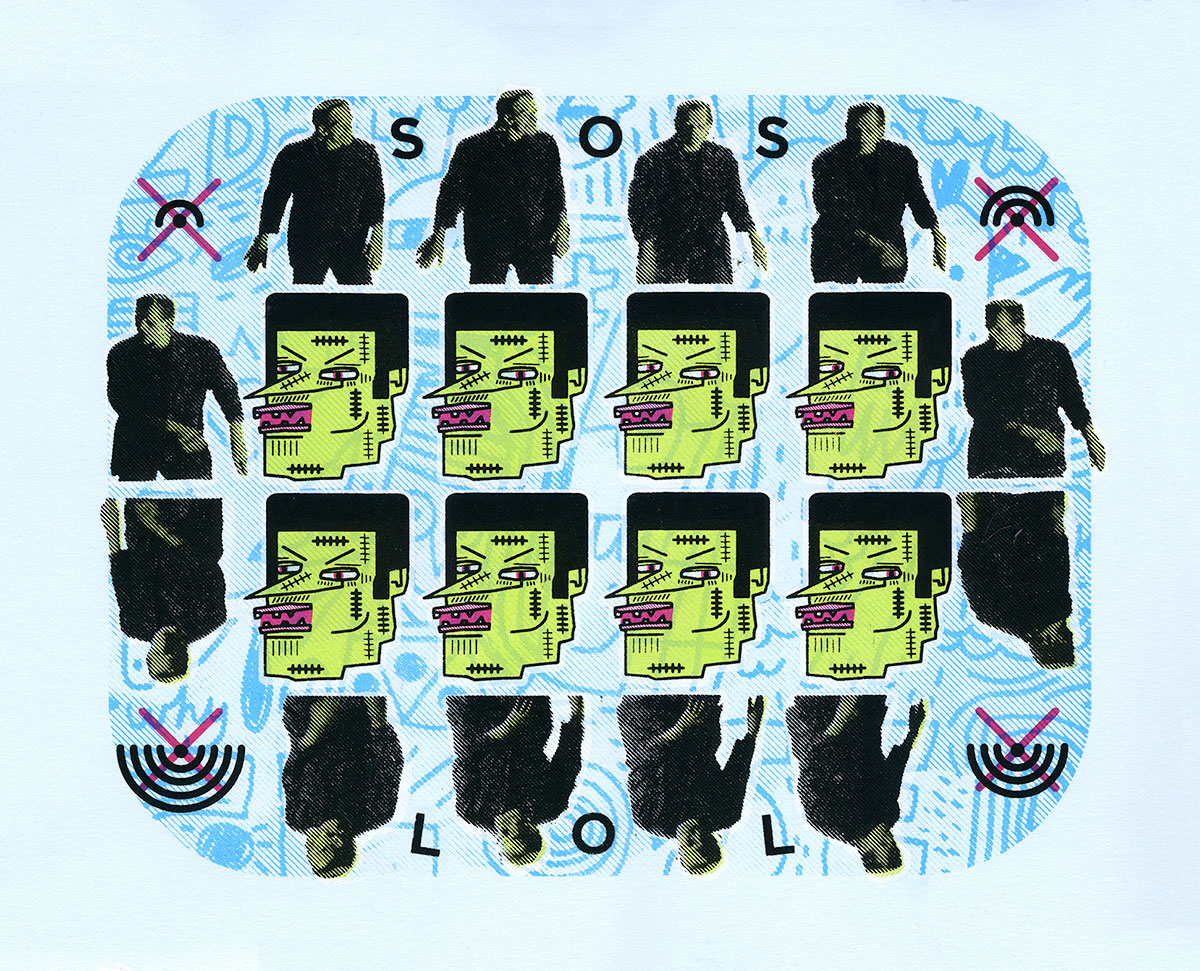
David Wischer lives and works in Lexington, Kentucky. He teaches at the University of Kentucky as Associate Professor of Digital and Print Media.
Through printmaking, collage, zines, and installation, David blends topical humor, social commentary, and parody. Social media, digital communication, and technology are a constant source of inspiration. David teaches a zine class where many students explore their interest in comics and publish works on Risograph machines.
You can see more of David’s work at www.davidwischer.com
and https://www.instagram.com/wischer/?hl=en
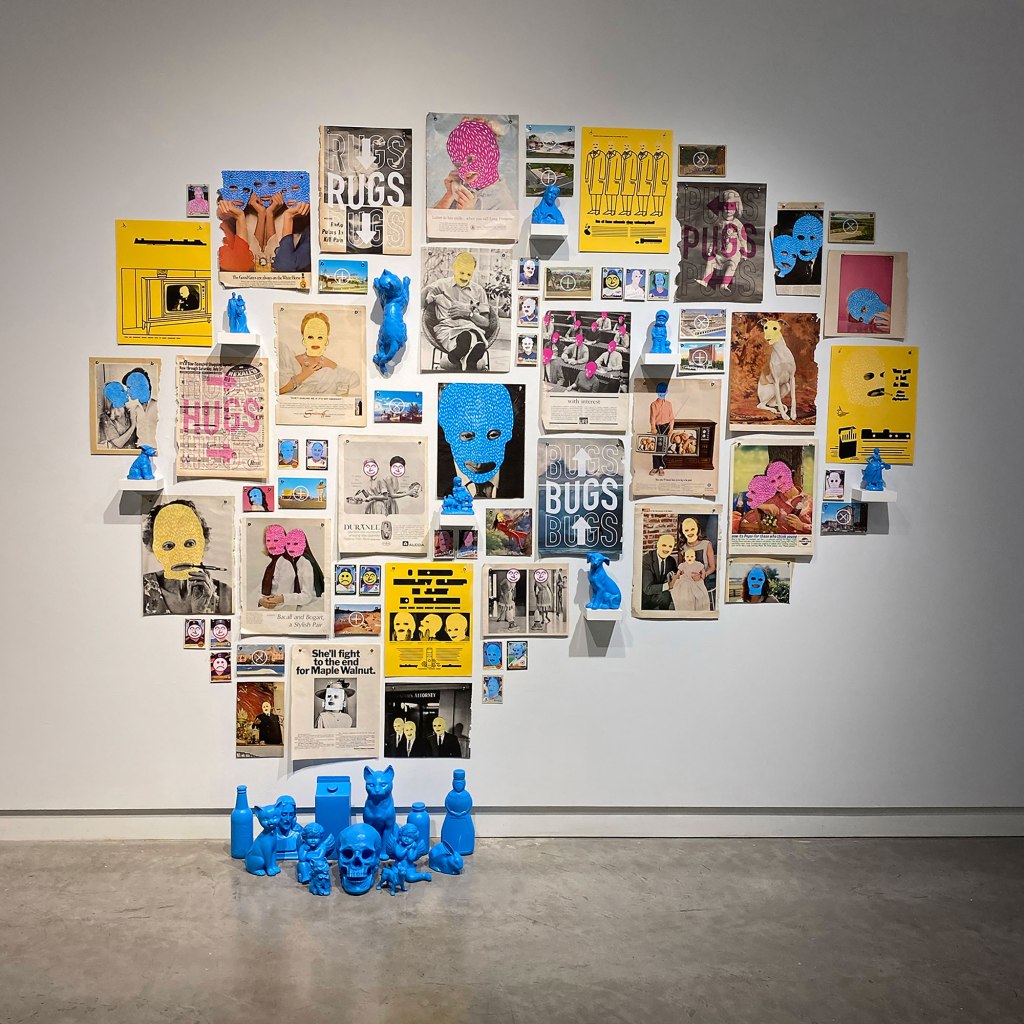
Screen print on magazine pages, baseball cards, and postcards, acrylic paint on found objects
95” x 80“ x 30”
Did you grow up reading comics?
I didn’t grow up reading a lot of comics, but I was hooked on MAD Magazine and Cracked Magazine at a young age. What drew me to them was their humor and unique art style. They stood out from everything else I was consuming at the time, whether on TV or in books. Both magazines pushed boundaries with their satire and visual gags, presenting ideas in a way that was sharp, unexpected, and unapologetically funny.
As a kid, I also collected Garbage Pail Kids, which I found equally hilarious. The absurdity of the characters and their over-the-top humor really clicked with me. My interest went beyond collecting, I’d often create my own versions of these characters. That process of inventing something ridiculous and funny was an early way of exploring creativity and dark humor.
As I got older and developed as an artist, the humor and satire I loved in MAD, Cracked, and Garbage Pail Kids started to show up in my work. These influences pushed me to see the potential of art as a form of commentary, whether in zines, animations, or fine art prints. They gave me a foundation for appreciating and creating work that doesn’t take itself too seriously but still has something to say.
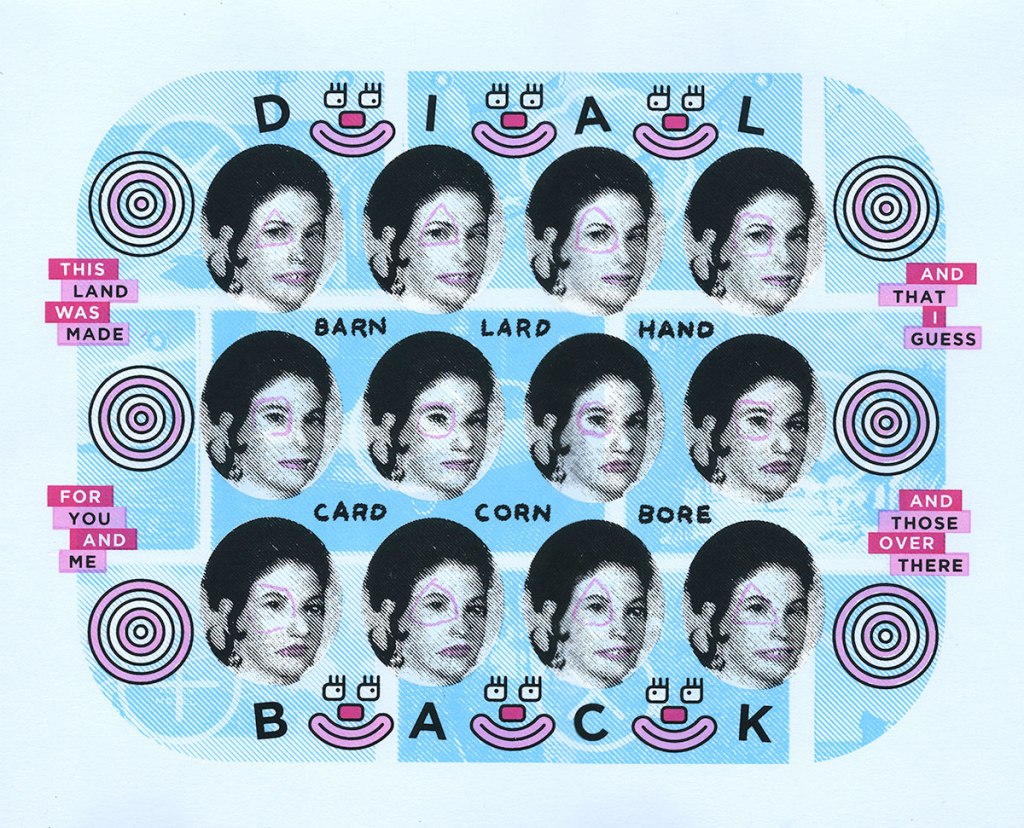
Screen print
11” x 14”

Screen print
11” x 14”
Do you have a favorite comic shop that you visit?
While it’s not a traditional comic shop, I’m obsessed with Peddler’s Mall in Lexington, Kentucky. It’s a gigantic flea market with hundreds of booths. I’ve discovered a few booths that are goldmines for ephemera, and I make it a point to check them out regularly.
I’ve found vintage MAD Magazines, LIFE Magazines, comics, and unopened packs of baseball and movie cards there. For me, it’s not just about the hunt for specific items; it’s the thrill of stumbling across something unexpected that sparks inspiration for my art. There’s something special about rediscovering these old materials and imagining the stories behind them.
Peddler’s Mall has become a creative treasure trove for me, it feeds into my love for collecting, my sense of humor, and my work as a visual artist.
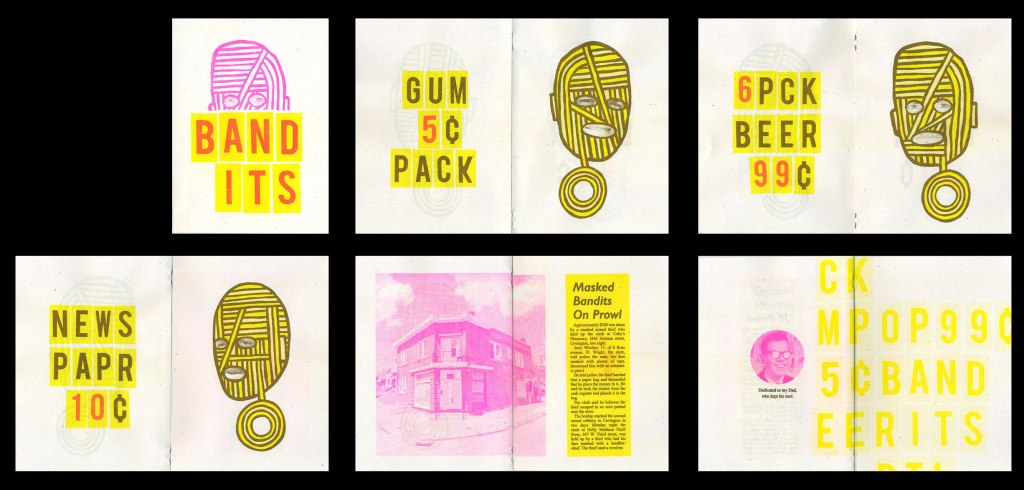
Risograph zine
7” x 5”
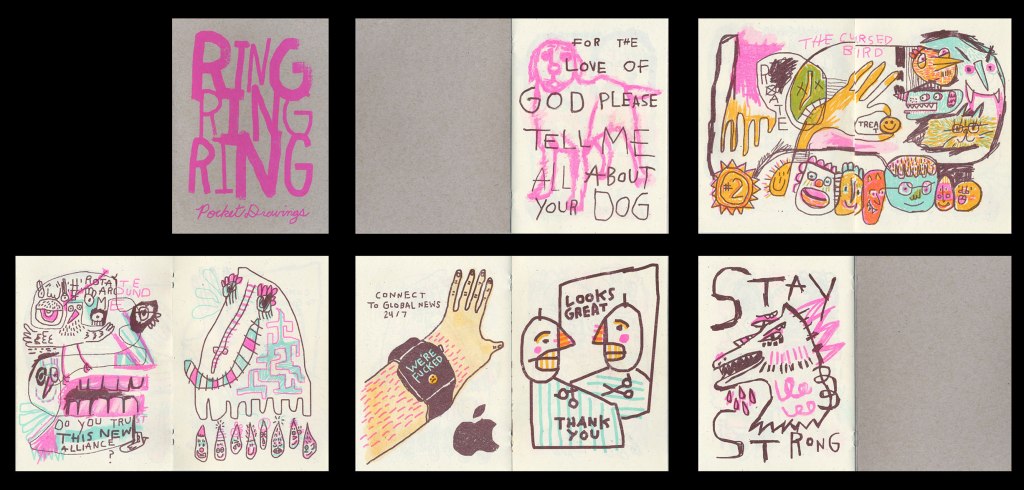
Risograph zine
7” x 5”
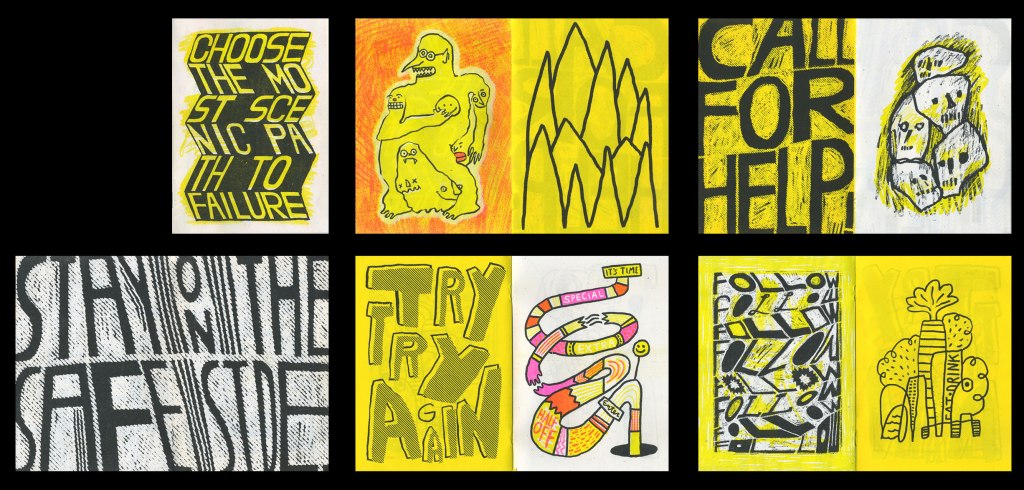
Risograph zine
7” x 5”
How do comics inspire or inform the work you make?
Comics, and the humor-driven ephemera I grew up with, inspire my work in several ways. The visual storytelling, playful exaggeration, and layered satire I found in MAD and Cracked have shaped how I approach my art. These influences taught me how to balance humor with pop culture and social commentary, using both text and imagery to convey complex ideas in an accessible way.
As a printmaker, I’m particularly drawn to the graphic quality of comics; the bold line work, expressive characters, and sequential narratives. These elements have informed my experiments with animation and zines, where I combine traditional printmaking techniques with visual humor and storytelling.
The absurdity and irreverence of comics also inspire the tone of my work. Whether I’m designing a snarky fine art print or creating a zine, I love using humor to challenge norms and invite viewers to see things from a fresh, sometimes unconventional perspective.
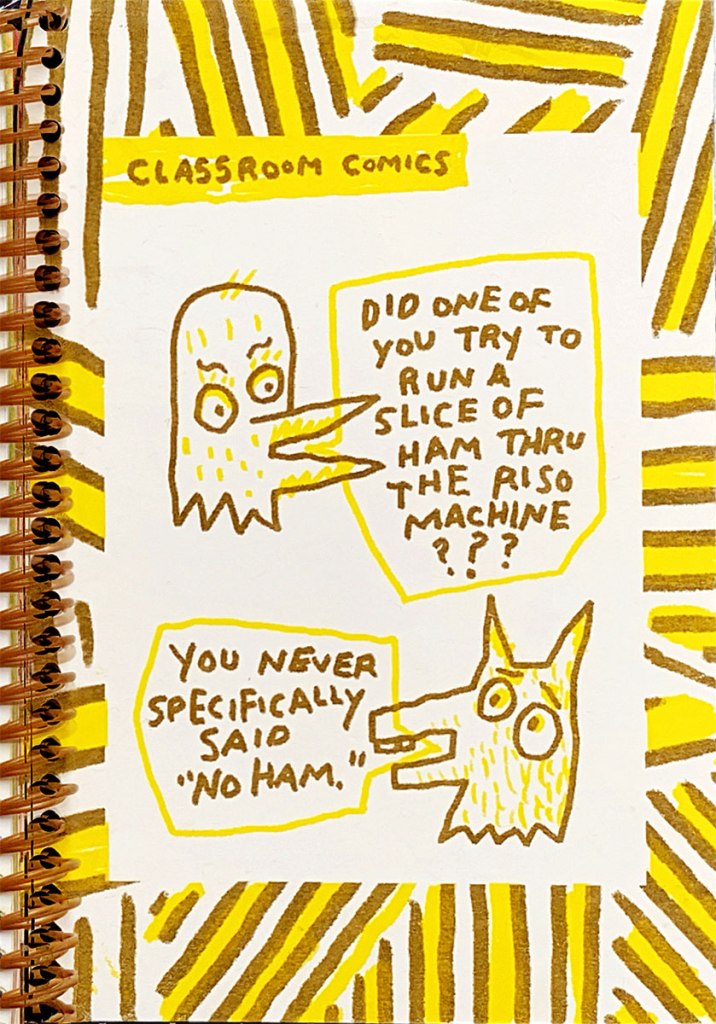
Risograph
7” x 5”
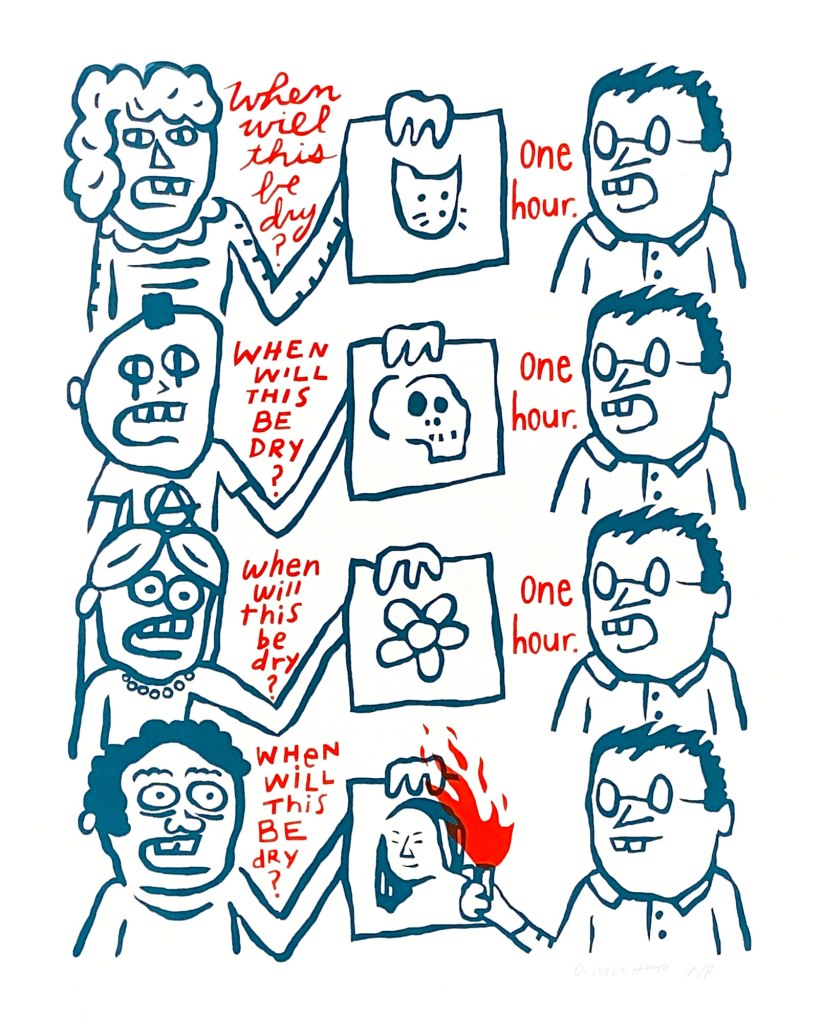
Screen print
20” x 16”
How long have you been making work that references comics?
I’ve been referencing comics in my work since I was 18, during my Drawing 1 class in college. At the time, I was frustrated with the technical focus of the class and didn’t feel like it was allowing me to fully express myself. As a professor now, I find my younger self very annoying for expecting a Foundations class to satisfy my silly needs to doodle. But my professor at the time noticed this and took an interest in the drawings of strange, exaggerated characters that filled my sketchbook.
He encouraged me to bring those elements into my assignments. For example, we were tasked with drawing our outstretched hand, using foreshortening techniques. Instead of submitting a straightforward drawing, I surrounded the hand with doodles of faces and words, incorporating the humor and surrealism I loved from comics and MAD Magazine.
That was a turning point for me. It showed me that I could take something as structured as a class assignment and inject my own voice and sense of humor into it. That freedom to mix technical skill with playfulness has been a part of my practice ever since and has greatly influenced my teaching.
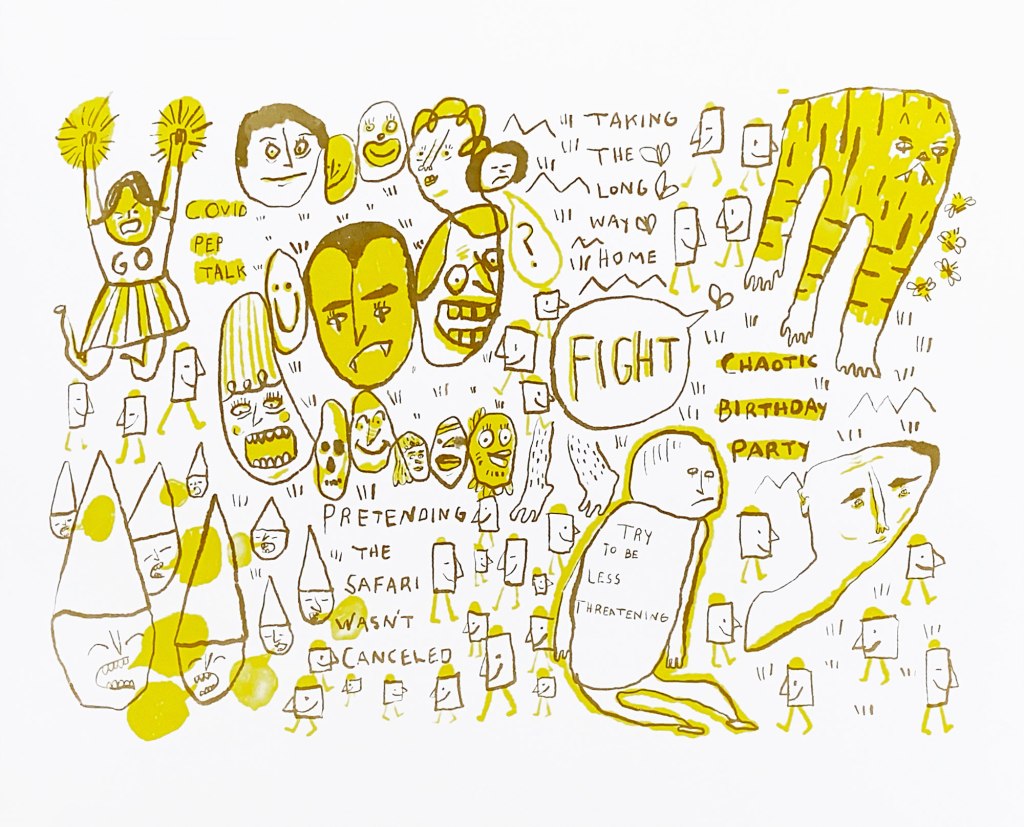
Screen print
16” x 20”
Have you ever been afraid or worried about making artwork that references comics?
I’ve definitely felt moments of worry about making artwork that references comics. Early on, I grappled with the idea of how humor and playfulness in my work might be perceived, especially in a fine art context where seriousness is often equated with depth or value. I wanted my work to be taken seriously, but I also realized that if I was going to be an artist, I had to be 100% honest with myself.
Comics and humor have always been integral to how I see and interpret the world. Trying to suppress that in favor of making “serious” work felt disingenuous. I came to understand that seriousness doesn’t have to mean somber or devoid of humor; it can come from the honesty and vulnerability of creating something that’s uniquely you.
By embracing this realization, I’ve found ways to infuse humor, satire, and even irreverence into my work, while still engaging with serious themes. Comics taught me that you can tackle complex ideas through playfulness, and this approach has allowed me to stay true to myself as an artist.
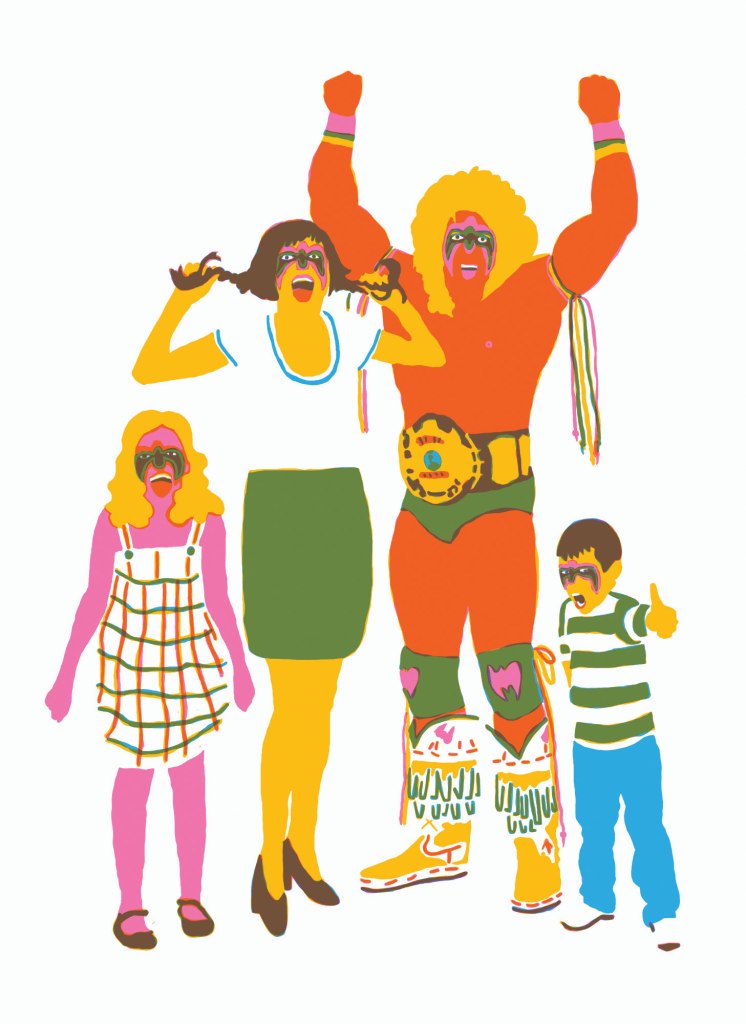
Screen print
24” x 18”
 Not Approved by the Comics Code Authority...